



Talk of “the great tribulation” is a cause of great concern to many Christians. It is known that this will be such a terrible period of time which has “never happened” in the history of mankind and will never be experienced again in the future.

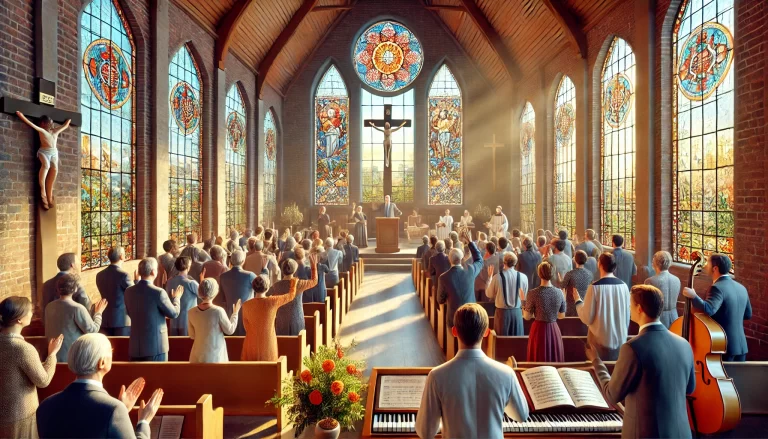
Is Sunday truly the Lord’s Day? Explore the biblical and historical basis of this tradition and its significance in Christian worship and doctrine.

When we read the bible we discover that in both the old and new testaments the true servants of God have suffered countless needs and sufferings, on the contrary, the modern Christian believes that God wants us to enjoy superfluous things just as the world does.

Sin is the great barrier that we must break down in order to see God, the scripture says that whoever sins willfully, there remains no more sacrifice for his sins, but a fearful expectation of judgment (Acts 10:26).

The last great harvest of souls has nothing to do with a revival in the Christian churches, but with the return of Jesus Christ to earth.

Many Christian customs have been adopted from the Catholic religion which obtained them from Roman paganism, one of them is the celebration of Christmas which has been one of the main celebrations for most of the evangelical congregations around the world.
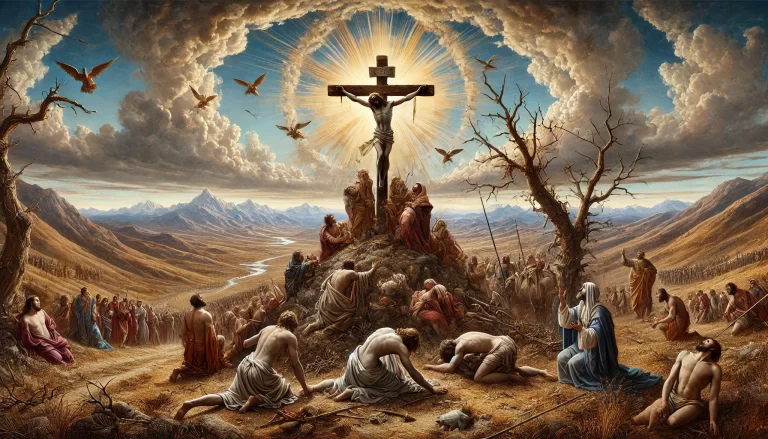
The scriptures say that God has made a new covenant with men, this covenant is different and better than the first one since it offers us the opportunity to live forever.

The Resurrection of the dead is a little known topic among the evangelical Christian people; however, Paul spoke a lot about it. We will see in this study some topics about the resurrection of the dead that have gone unnoticed for a long time.
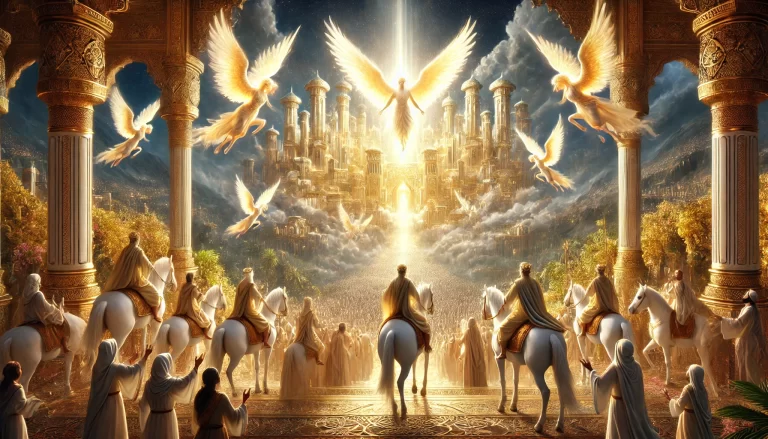
The Kingdom of God will be established on Earth upon Jesus Christ’s return, bringing peace, justice, and everlasting righteousness as foretold in the Scriptures.

This subject is highly controversial and subject to speculation, so we will turn to scripture to explain a little more about it.
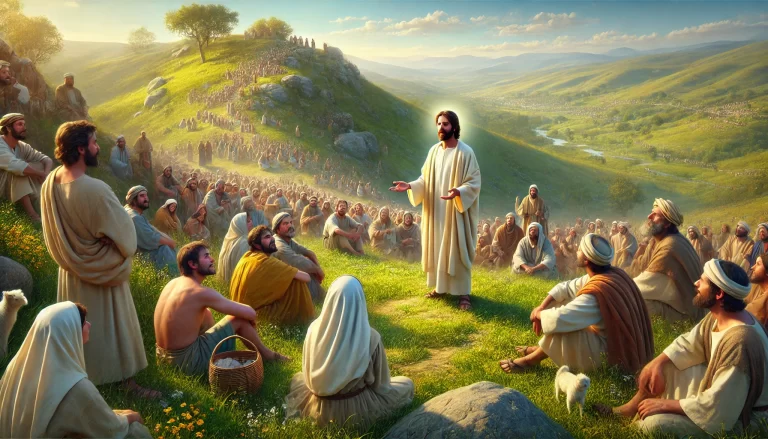
Many Christians believe that we have no law to submit to, but the word of God says that the new law was given by the Son of God in person.
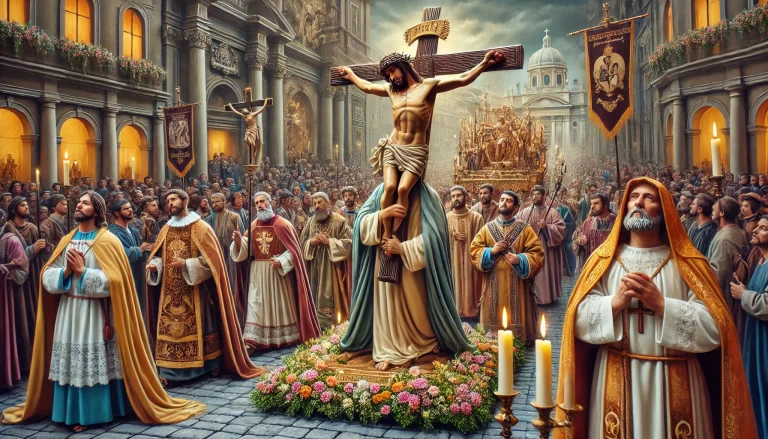
The Lord’s Supper celebrated by the Christian people has long been misunderstood since what Jesus celebrated was the Passover. This is the only celebration that Jesus instituted and commanded us to keep.
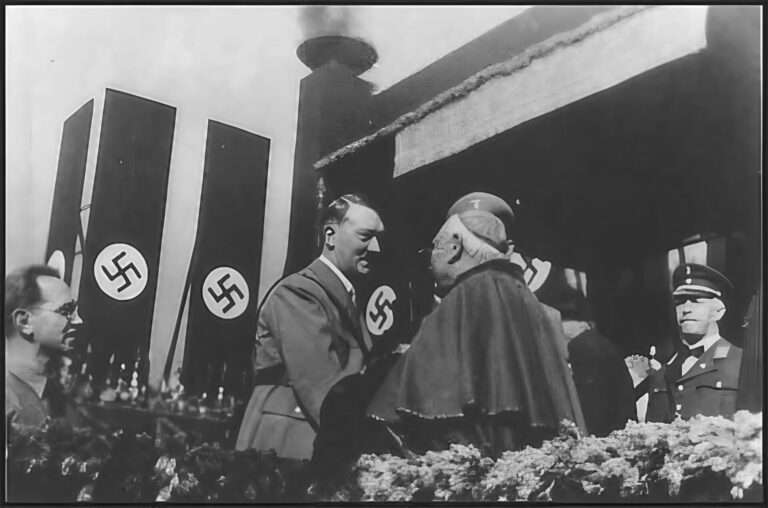
No matter how well-intentioned we humans may be, this is not always what God is looking for from his children, the scripture declares that we should not make a covenant with the children of darkness because condemnation will come upon us.
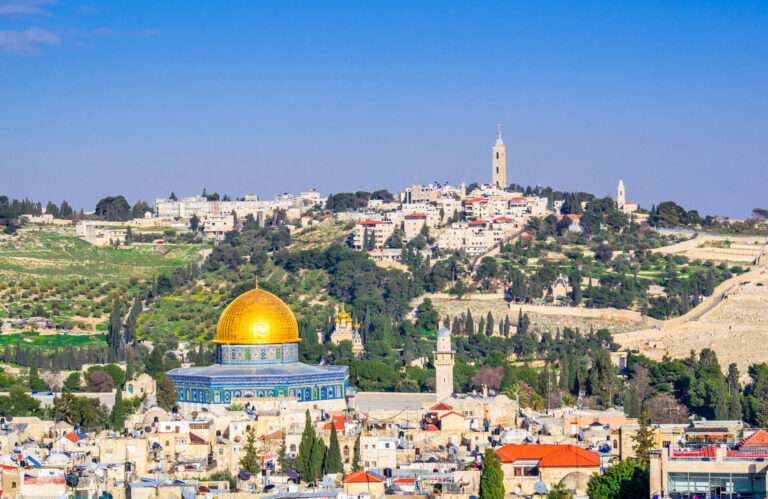
Many teach that the abomination is an idol that will be installed in the newly inaugurated “third temple in Jerusalem” and others teach that the abomination of desolation was the Roman army that destroyed the temple in Jerusalem in 70 AD.
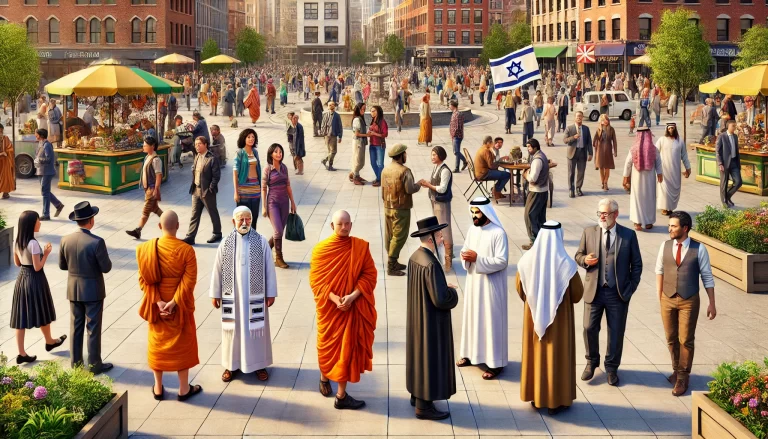
All Christian denominations worship the same God, however, most teach different doctrines, and in many cases opposed to each other, when the Bible says that there are not many gospels.
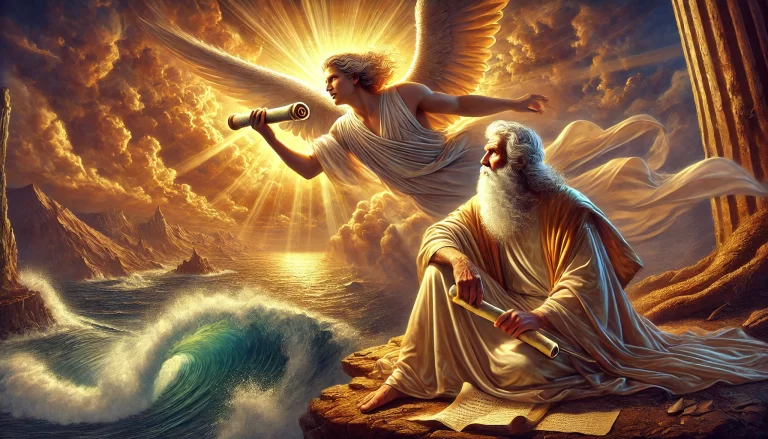
The bible is the word of God, we all know that, but what many do not know is that God has not stopped revealing his word to his chosen ones. The scripture says that God will reveal mysteries in the end time.

The Antichrist and the false prophet embody ultimate rebellion against God. They deceive nations, exalt evil, and lead many astray, yet God’s final judgment will prevail, fulfilling His eternal plan.

Although two thousand years have passed since Jesus spoke about the new birth; this subject continues to be confusing to most modern Christians.

The Old Testament predicts that the final days will be filled with devastation and chaos around the world, this event known as Jehovah’s Day of Vengeance is the same event described in the New Testament as the return of Jesus Christ to earth.

Dispensationalism is a current of theological thought that has left a deep imprint in the mind and heart of the 21st century believer. In this study we will see what are its implications in our salvation.